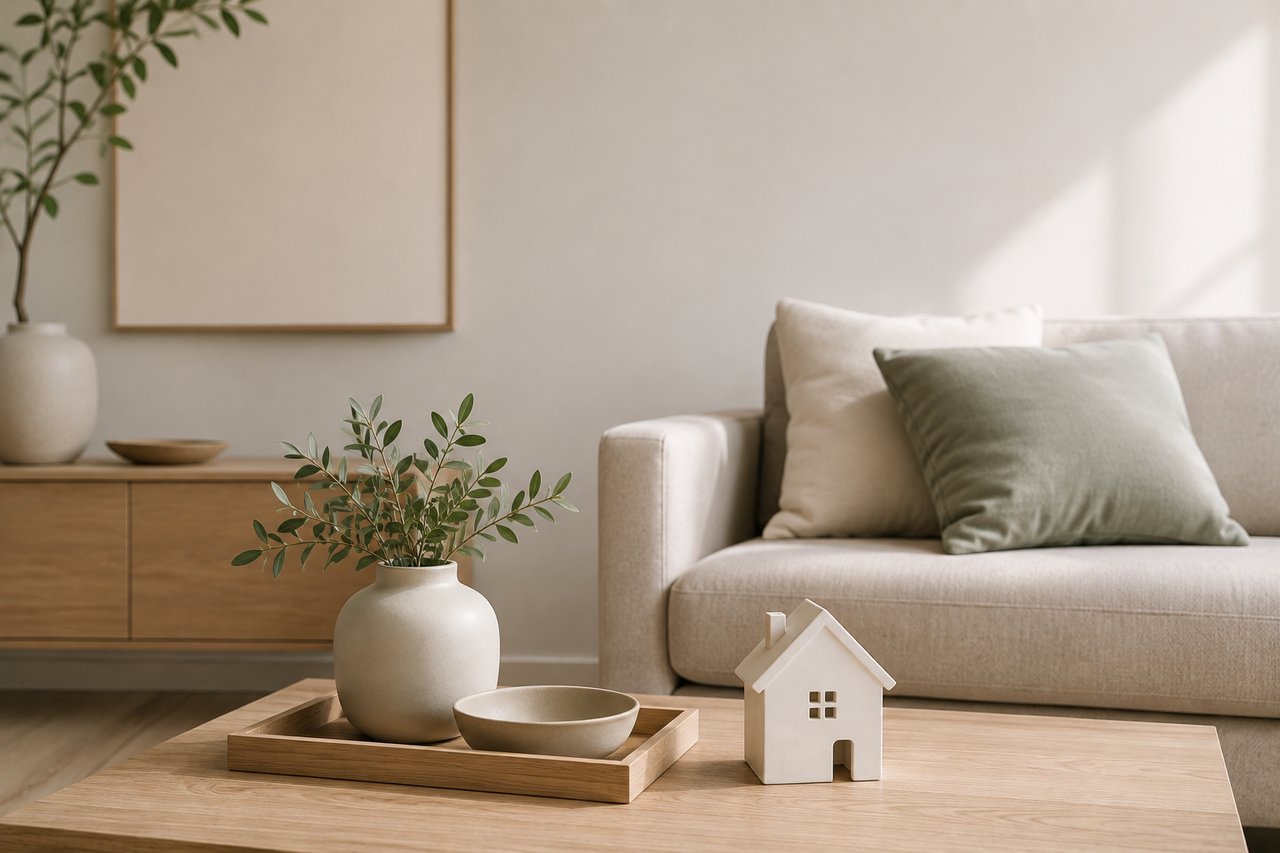
Home Staging Playbook
Real Estate Mark Daya August 12, 2026
Real Estate Mark Daya August 12, 2026
Home staging — the practice of preparing a home's appearance for sale through furniture placement, decor, and presentation choices — is one of those topics where the advice ranges from genuinely useful to expensive and unnecessary.
The real estate industry has a financial interest in recommending extensive staging because staging services represent revenue. Sellers have a financial interest in understanding which staging investments actually produce better sale outcomes and which ones are theater.
Here is the honest, evidence-based picture of what staging actually accomplishes, what the research shows about its return on investment, and what Rancho Cordova sellers should — and should not — spend money on.
What Staging Actually Accomplishes
Staging works through a specific psychological mechanism: it helps buyers visualize themselves living in the space. Empty rooms are harder to mentally furnish and scale than rooms that demonstrate how the space functions. Cluttered or personalized rooms make it difficult to imagine the space as your own rather than someone else's.
The goal of staging is not to make the home look like a model home or a magazine spread. It is to present each room in a way that communicates its best possible use of space, maximizes the perception of size and light, and minimizes distractions that cause buyers to focus on the seller's belongings rather than the home's features.
Research on staged versus unstaged homes consistently finds that staged homes sell faster — often 30% to 50% faster — than comparable unstaged homes, and frequently at prices closer to or above asking. The mechanism is straightforward: a home that photographs well, shows well, and helps buyers visualize their lives in it generates more interest and less hesitation than one that does not.
The Highest-Return Staging Investments
Not all staging investments produce equal returns. The research and practical experience of agents who have sold hundreds of homes identify a consistent hierarchy of staging investments by return.
Decluttering and deep cleaning are always the highest-return staging actions — they cost nothing but time and produce dramatic improvements in how a home photographs and shows. A clean, uncluttered home feels larger and better maintained than an identical home with accumulated possessions on every surface. Every serious listing requires thorough decluttering before any other staging consideration.
Fresh interior paint — particularly in neutral tones that photograph well and appeal to the broadest buyer range — is consistently among the highest-return pre-sale investments. A gallon of quality paint costs under $50. A single room repainted in a current neutral dramatically changes how a space photographs and how buyers perceive its condition.
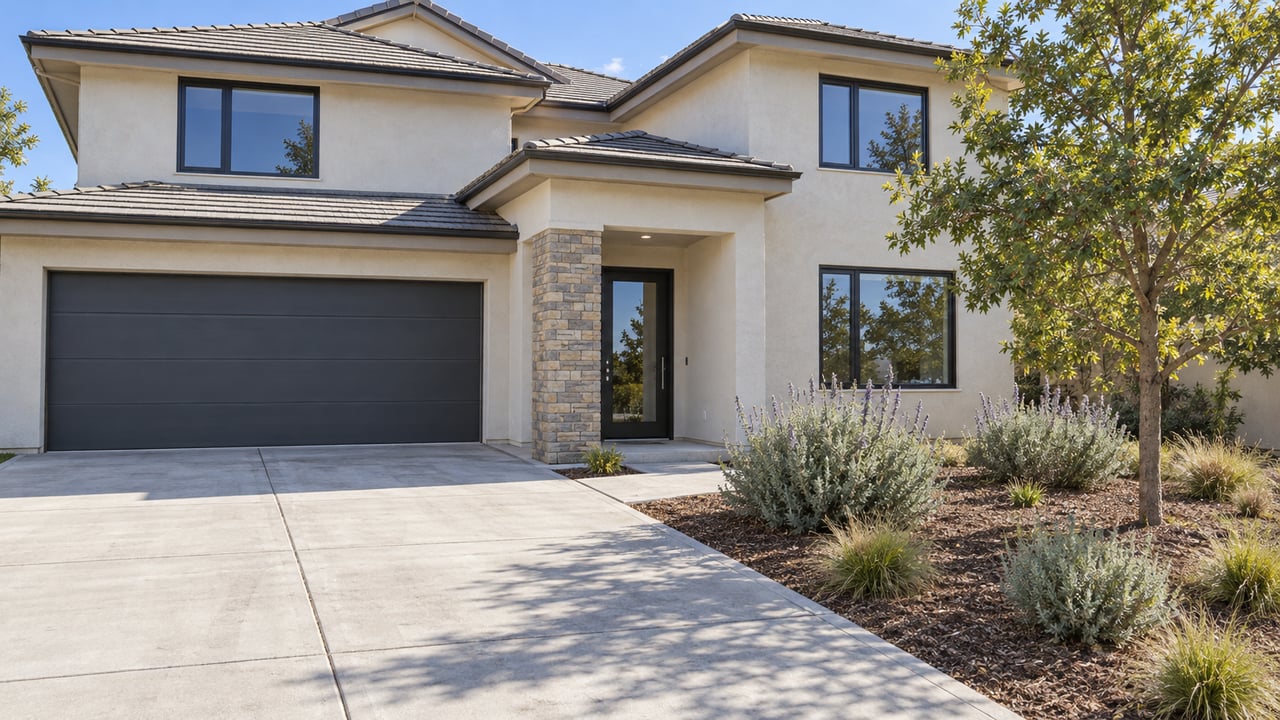
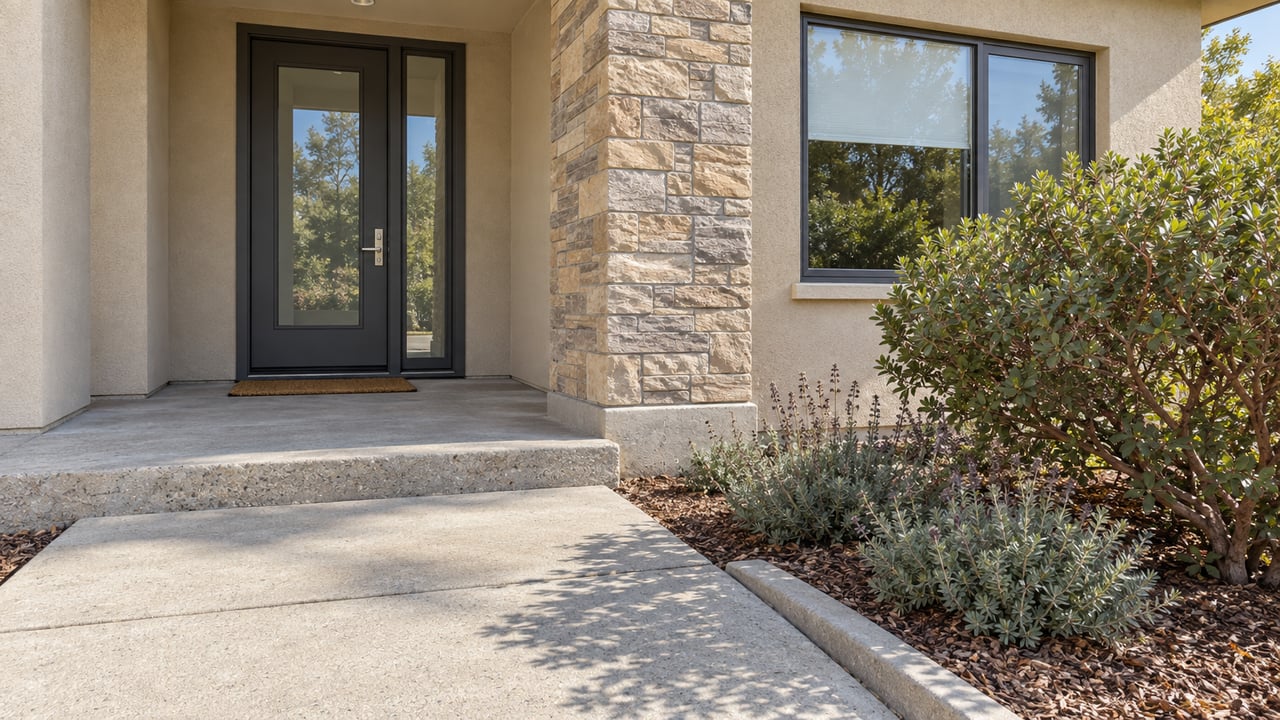
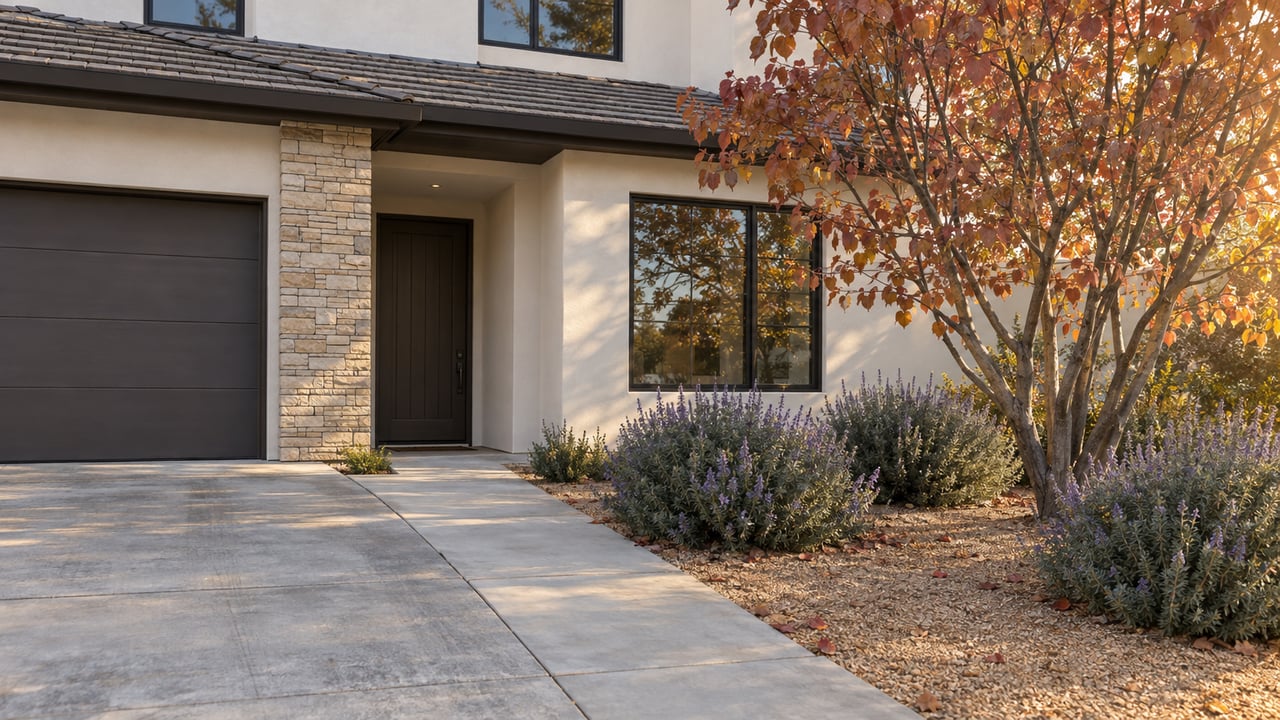
Curb appeal investments — fresh mulch, trimmed shrubs, clean walkways, a freshly painted front door — affect the buyer's first impression before they enter the home. Research shows that buyers form a strong emotional impression in the first few seconds of arriving at a property, and that impression anchors their evaluation of everything inside.
When Professional Staging Makes Sense
Professional staging — bringing in a staging company with furniture, art, and decor to furnish and present the home — is most valuable in two specific situations: vacant homes, and homes where the seller's existing furniture significantly underserves the space.
Vacant homes are consistently harder to sell than furnished ones, because empty rooms make it impossible for buyers to gauge scale, understand how furniture fits, or feel any emotional connection to the space. For vacant homes, professional staging typically produces a return that exceeds its cost — especially in price ranges above $450,000 where buyers have heightened expectations.
For occupied homes where the seller's furniture is reasonably appropriate for the space, professional staging is often unnecessary. A staging consultation — where a professional advises on furniture placement, what to remove, and what to add — can produce most of the benefit of full staging at a fraction of the cost.
In the current Rancho Cordova market — where buyers are comparing their options carefully and homes sit an average of 35 days in 95670 and 48 days in 95742 before going pending — the homes that generate showing activity and offers in the first two weeks are the ones that present at their absolute best from day one. Staging is a foundational part of achieving that.
Stay up to date on the latest real estate trends.

Real Estate
Real Estate

Real Estate
Real Estate

Real Estate