Home Inspection Strategy
Real Estate Mark Daya May 6, 2026
Real Estate Mark Daya May 6, 2026
The Home Inspection Is Not the Enemy — It's the Best $400 You'll Spend in the Entire Transaction!
During the peak frenzy of 2021 and early 2022, buyers were waiving home inspections to win competitive offers. Some of those buyers discovered expensive problems after close. Some got lucky. All of them were taking a risk that didn't need to be taken, and that, in most market conditions, wasn't necessary to win.
The home inspection is one of the most misunderstood tools in a real estate transaction. Most buyers treat it as a required formality. The best buyers treat it as a strategic asset.
Here is how to think about it correctly — whether you are a buyer trying to protect yourself or a seller trying to understand what buyers will find.
What an Inspection Actually Covers
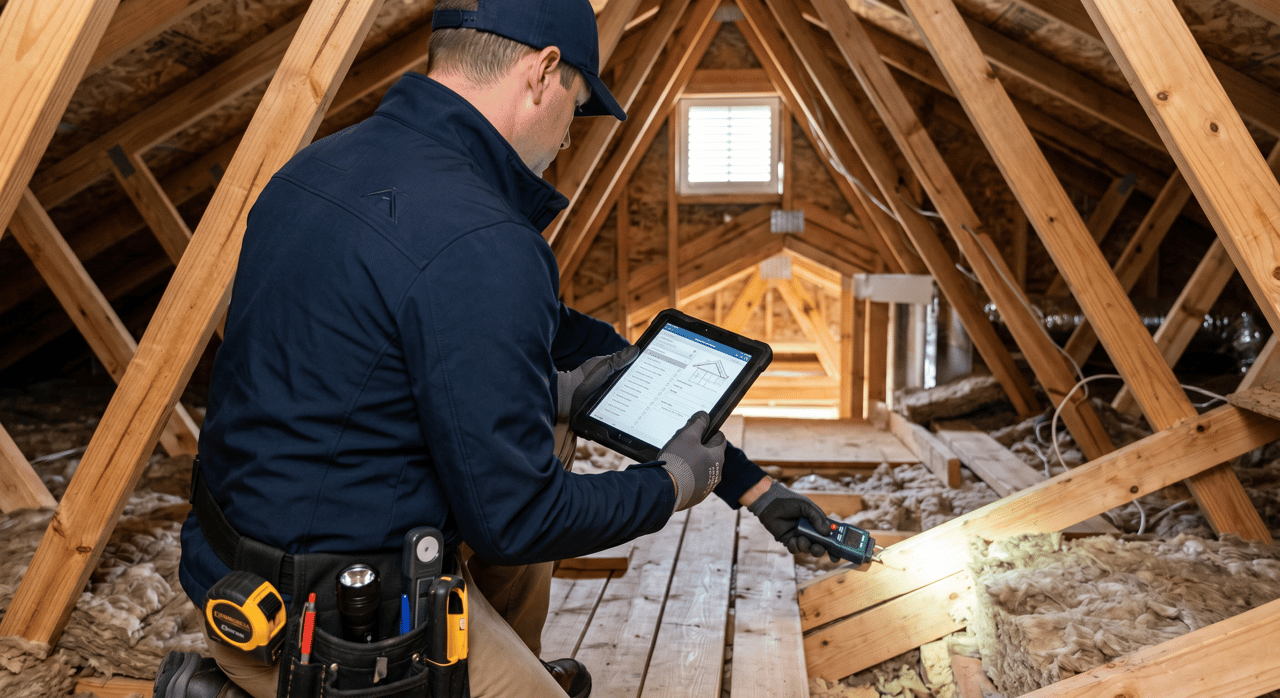
A standard home inspection covers the visible and accessible components of the property: foundation, roof, electrical systems, plumbing, HVAC, insulation, windows, and doors. A qualified inspector documents the current condition of each system, notes deficiencies, and flags items that warrant further evaluation by a specialist.
It is not a guarantee. It is a snapshot. An inspector cannot see inside walls, under concrete slabs, or into buried pipes. What they can do is give you the most accurate picture of the home's condition that is achievable without destructive investigation — and that picture is worth significantly more than the $400 to $500 it typically costs.
Common findings include deferred maintenance items like aging water heaters, roof wear, or outdated electrical panels; safety concerns like improper grading, moisture intrusion, or non-functional smoke detectors; and occasionally more significant issues like foundation movement, active leaks, or HVAC systems at end of life.
How Buyers Should Use Inspection Results Strategically
Not every inspection finding is a negotiating point. One of the most common buyer mistakes is treating a normal inspection report — which will always contain a list of findings — as evidence that something is wrong with the home.
The strategy is to separate findings into three categories: safety or habitability issues that require resolution before close, significant mechanical or structural items that represent real cost, and normal maintenance observations that are expected in any home of similar age.
Safety and significant items are worth negotiating. Normal maintenance observations are not — and requesting credits for every minor item in an inspection report is a fast way to irritate a seller and damage a deal that was otherwise going smoothly.
The most effective approach is to identify the two or three items that represent real financial exposure and negotiate specifically around those, rather than presenting the seller with a laundry list of every imperfection the inspector noted.
What Sellers Learn From Getting a Pre-Listing Inspection
One of the most underused tools available to sellers is the pre-listing inspection — having your home inspected before it goes on the market, on your own timeline, with your own inspector.
The advantages are significant. You discover what buyers will find before they find it — and you get to decide how to address it. You can complete repairs yourself, at contractors of your choice, on a schedule that doesn't threaten your sale. You can disclose known conditions with confidence, which reduces your liability exposure. And you eliminate the post-acceptance renegotiation that costs sellers money and delays close.
A pre-listing inspection typically costs the same as a buyer's inspection. The value it delivers in terms of cleaner negotiations, faster closes, and fewer surprises is almost always worth multiples of that cost.
The One Situation Where Waiving Makes Sense
In certain highly competitive multiple-offer situations, buyers sometimes consider waiving the inspection contingency to strengthen their offer. This is a risk management decision, not a negotiating technique — and it should only be considered in specific circumstances.
A buyer who waives the inspection contingency in a competitive situation on a home they have walked through carefully, researched thoroughly, and understand well is making a calculated decision with open eyes. A buyer who waives it simply to win without understanding what they are giving up is taking on risk they have not priced.
There are also hybrid approaches — such as performing an inspection within a short window for informational purposes only, without contingency — that can satisfy both the buyer's need for information and the seller's preference for certainty. An experienced agent will know when and how to structure these alternatives.
The home inspection exists to protect you. Use it that way.
Stay up to date on the latest real estate trends.

Real Estate


Real Estate

Real Estate


Real Estate


Real Estate