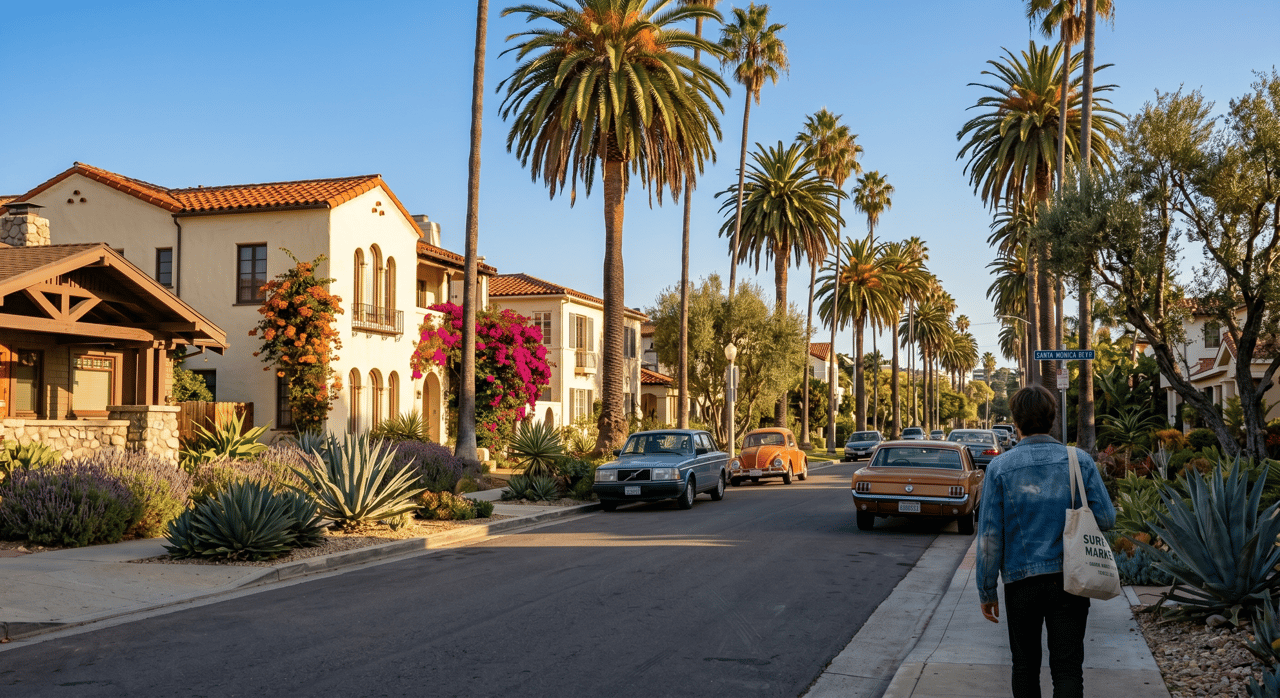
The Neighborhood Nobody Is Talking About
Real Estate Mark Daya April 29, 2026
Real Estate Mark Daya April 29, 2026
Every real estate market has them: neighborhoods that are one step behind the conversation, priced below where the fundamentals say they should be, underestimated by people who haven't looked closely enough.
By the time they become the neighborhood everyone is talking about, the best opportunities have already passed. The people who benefited were the ones paying attention before the consensus caught up.
We work in this market every day. Here is what we are actually seeing — and where we think the attention should be right now.
How Neighborhood Value Shifts Happen
Value doesn't move randomly. It follows infrastructure, employment, and the decisions of early movers. When a new employer expands nearby, when a road project reduces commute time, when a neighborhood's walkability or school options improve, prices follow, usually 12 to 24 months after the underlying change.
The opportunity window is between when the change happens and when the broader market prices it in. That window is exactly where informed, local buyers can move with an advantage that out-of-town buyers and algorithm-driven searches simply don't have.
Rancho Cordova sits at a junction of several of these dynamics right now — employment growth along the Highway 50 corridor, infrastructure investment, and the ripple effect of buyers priced out of more expensive Sacramento submarkets looking for value without sacrificing location.
What to Look for in an Emerging Area
Not every undervalued neighborhood is emerging. Some are undervalued for good reasons — deferred infrastructure investment, school district challenges, and limited employment proximity. Knowing the difference is what separates a smart move from a costly one.
The signals we look for when evaluating a neighborhood's trajectory are specific. Permit activity — are homeowners renovating and investing? Rental-to-ownership ratio trends — are more renters becoming owners, which stabilizes and elevates values? Business investment — are new commercial tenants arriving, or existing ones leaving? Days on market relative to surrounding areas — are homes moving faster here than the zip code average suggests they should?
When several of these indicators align, it is usually not a coincidence. It is a market signal that the broader data hasn't yet absorbed.
The Rancho Cordova Advantage That Gets Overlooked
Rancho Cordova's position as a Sacramento County city with its own municipal identity, employment base, and development authority gives it tools that unincorporated communities don't have. City-directed investment decisions, redevelopment zones, and commercial corridor planning all create conditions where specific areas can improve faster than surrounding markets.
Buyers who understand how local government investment flows — and where it is currently pointed — have a meaningful informational advantage. This isn't insider trading. It's public information that most people don't bother to read.
We read it. And we talk to the buyers and sellers who live inside these neighborhoods every week. That ground-level intelligence is something no algorithm produces.
How to Use This Information
If you are a buyer, the question is not just 'what can I afford today?' It is 'what is this neighborhood going to look like in five years, and am I positioned to benefit from that trajectory?'
If you are a seller in an area experiencing this kind of momentum, the question is whether your pricing reflects where the market is going — not just where it has been. Trailing-data pricing in a rising micro-market leaves real money on the table.
Either way, the conversation starts with honest, local intelligence. That's what we bring to every client interaction. Connect with us and let's talk about where you are, where you want to be, and what the market is actually saying about the path between those two points.
Stay up to date on the latest real estate trends.
Real Estate

Real Estate

Real Estate
Real Estate

Real Estate