What Everyday Life Is Really Like In El Dorado Hills
May 14, 2026
May 14, 2026
Wondering whether El Dorado Hills feels more like a quiet foothills retreat, a commuter suburb, or a place built around outdoor living? The honest answer is that it blends all three. If you are thinking about moving here, it helps to understand how people actually spend their time, run errands, get around, and use the community day to day. Let’s dive in.
El Dorado Hills is a census-designated place in El Dorado County with 50,547 residents and 18,135 households, based on U.S. Census data. Households average 2.8 people, and 89.1% of residents lived in the same house one year earlier. That level of residential stability can give the area a settled, established feel.
The housing profile also tells you a lot about everyday life here. Owner occupancy is 87.5%, the median owner-occupied home value is $909,500, and median household income is $165,349. The community includes a wide age range too, with 24.3% of residents under 18 and 20.8% age 65 or older.
El Dorado Hills also covers a fairly large footprint. With 48.46 square miles of land area and about 1,043 people per square mile, it tends to feel more spread out than a compact town center. In practical terms, that means you will likely drive between neighborhoods, shopping areas, and recreation spots rather than doing everything in one central district.
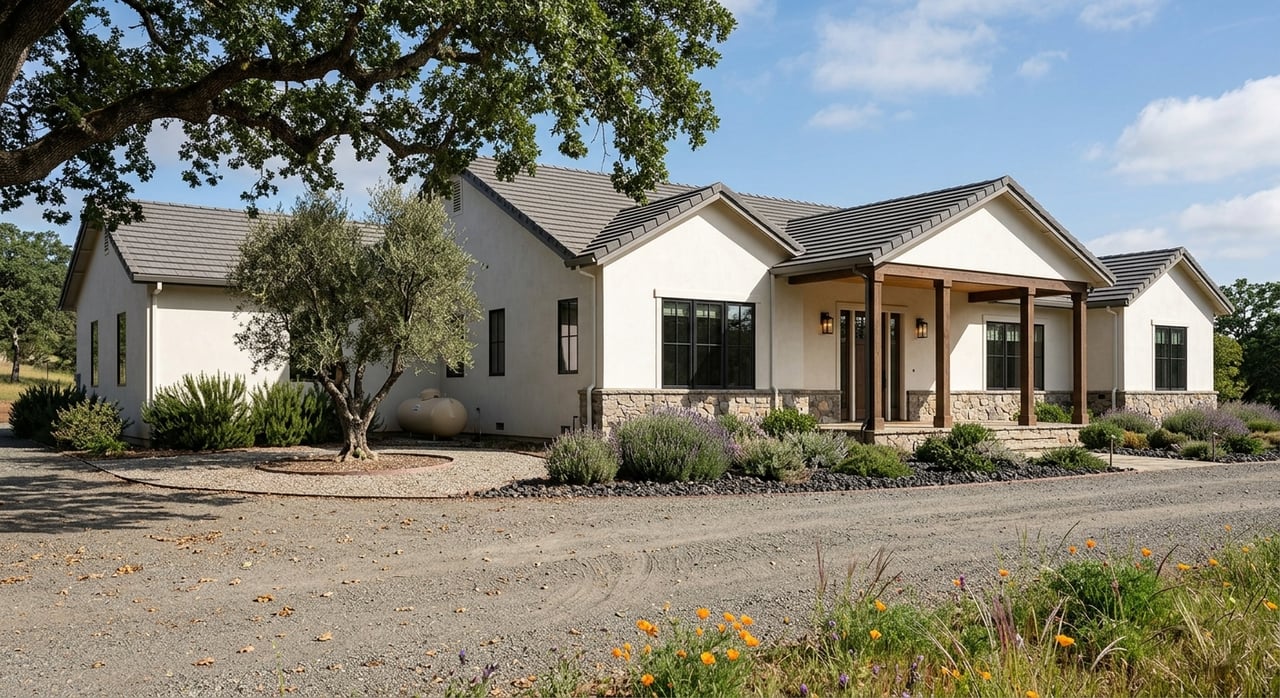
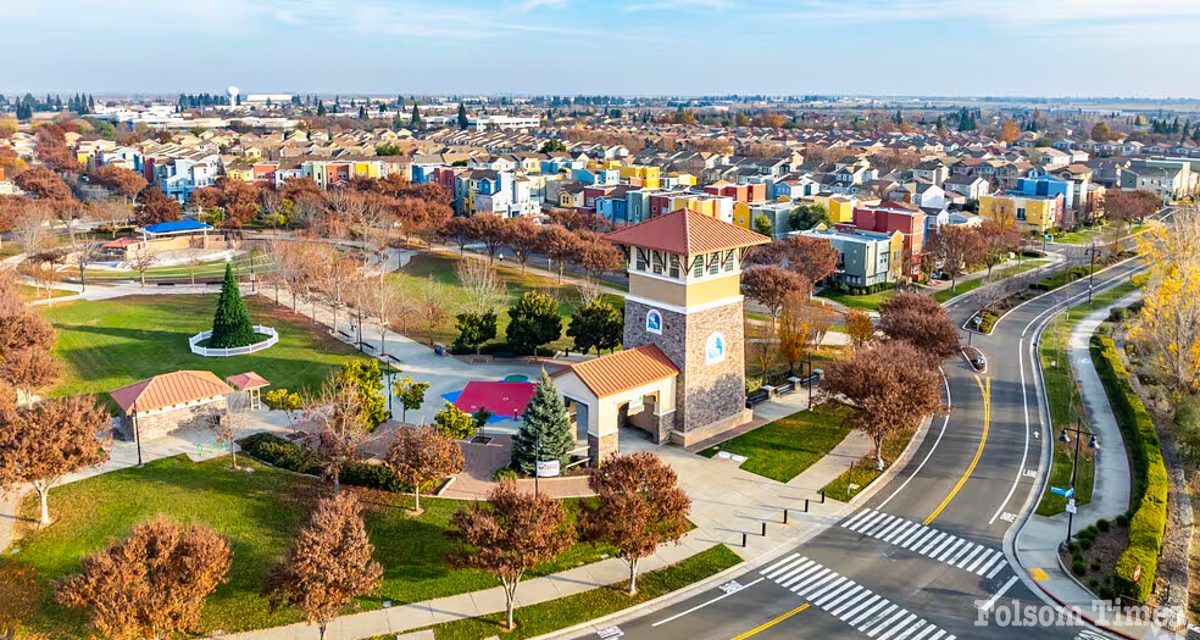
Everyday life in El Dorado Hills feels rooted in space, convenience, and access to the outdoors. Instead of revolving around one traditional downtown, the community is shaped by residential villages, commercial hubs, and open space. That gives the area more of a master-planned foothills suburban feel than a small-town street-grid feel.
You will notice that many daily routines are built around a few key patterns. People often drive for errands, rely on Highway 50 for regional access, and use the lake and trail system for recreation. That combination creates a lifestyle that can feel both active and suburban at the same time.
Community upkeep also plays a visible role in the day-to-day experience. The El Dorado Hills Community Services District helps manage parks and recreation, street lighting and landscaping, solid waste collection, and CC&R administration. Those services support many of the details that shape how neighborhoods look and function.
If you enjoy being outside, El Dorado Hills has a strong everyday advantage. Outdoor recreation here is not limited to one park or one activity. Instead, the lifestyle is closely connected to Folsom Lake, Lake Natoma, foothill open space, and regional trail access.
Folsom Lake State Recreation Area sits about 25 miles east of Sacramento and is accessible by Highway 50 or Interstate 80. The park can be reached by private vehicle, bicycle, horseback, foot travel, and local bus service. The seasonal pattern matters too, with generally hot, dry summers and winters that can be cold with fog.
The recreation options go beyond lake views. State Parks notes a 32-mile bicycle path connecting Folsom Lake with Sacramento County parks and Old Sacramento. Lake Natoma is also known for rowing, paddling, sailing, kayaking, and similar water activities.
The El Dorado Trail adds another layer to the outdoor lifestyle. El Dorado County says the western segment currently runs 23 miles from the Sacramento County border to Historical Railroad Park in El Dorado, with developed sections continuing east toward Placerville. Depending on the section, the trail supports hikers, mountain bikers, and equestrians.
For many residents, outdoor time fits naturally into the week instead of being reserved only for special occasions. You might head out for a trail walk, bike ride, paddle outing, or lake visit without needing a long weekend plan. That can be a big part of why El Dorado Hills appeals to buyers who want more access to recreation without giving up suburban conveniences.
If you work in Sacramento, Folsom, or nearby job centers, your routine will likely involve Highway 50. The El Dorado County Transportation Commission identifies U.S. 50 as the county’s most significant transportation corridor and the major commute route to employment areas in the greater Sacramento region. In everyday terms, this is the main spine that connects El Dorado Hills to the wider metro.
Traffic patterns are part of the lifestyle conversation too. County travel-demand information notes that westbound congestion has historically been most pronounced during the morning peak between the El Dorado Hills Boulevard and Latrobe Road interchange and the county line. So while access is strong, timing matters.
That does not mean driving is your only option. El Dorado Transit provides fixed-route and dial-a-ride service for El Dorado Hills, along with commute trips into Sacramento and Folsom. The 50X and 50 Express routes include stops at the El Dorado Hills Park and Ride, Iron Point Light Rail, and Folsom and Folsom Lake College.
Most residents will likely experience El Dorado Hills as a highway-first community. Transit exists and can be useful for some routines, but driving remains central for many households. If you are considering a move, it is smart to think through your most common destinations and the times you would typically travel.
One thing many buyers notice quickly is that El Dorado Hills does not spread retail evenly across every neighborhood. Major commercial uses are concentrated in a handful of planned nodes. That means your errands often feel efficient, but you will usually head to specific hubs instead of walking to a corner store from every subdivision.
According to the El Dorado Hills Specific Plan, major commercial areas include the regional commercial area south of Highway 50 at Latrobe Road in Villages T and U, a neighborhood shopping area near Bass Lake Road in Village J, a low-intensity office and professional park at Silva Valley Road and Highway 50, and the existing retail commercial center at El Dorado Hills Boulevard and Highway 50.
The chamber directory reinforces the importance of El Dorado Hills Town Center as the main shopping-center hub. It lists a mix of restaurants, retail, and services there, including places such as Vacanza Romana, Big Apple Bagels, Face in a Book, Emigh Ace Hardware, and the Element 79 apartments.
For most households, daily life is convenient, but not in an urban, walk-everywhere sense. You may drive to Town Center or another commercial node for groceries, coffee, dining, services, or home-improvement needs, then head back to your neighborhood. In a few pockets near mixed-use areas, biking and walking become more practical.
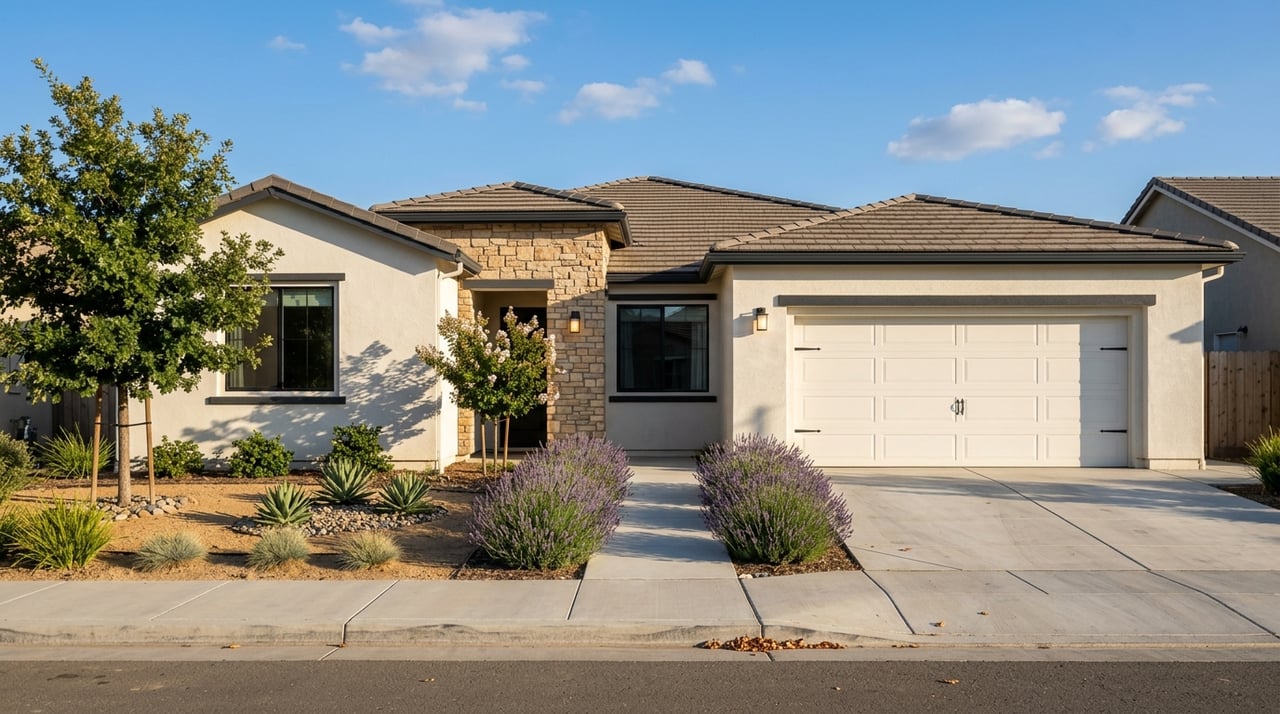
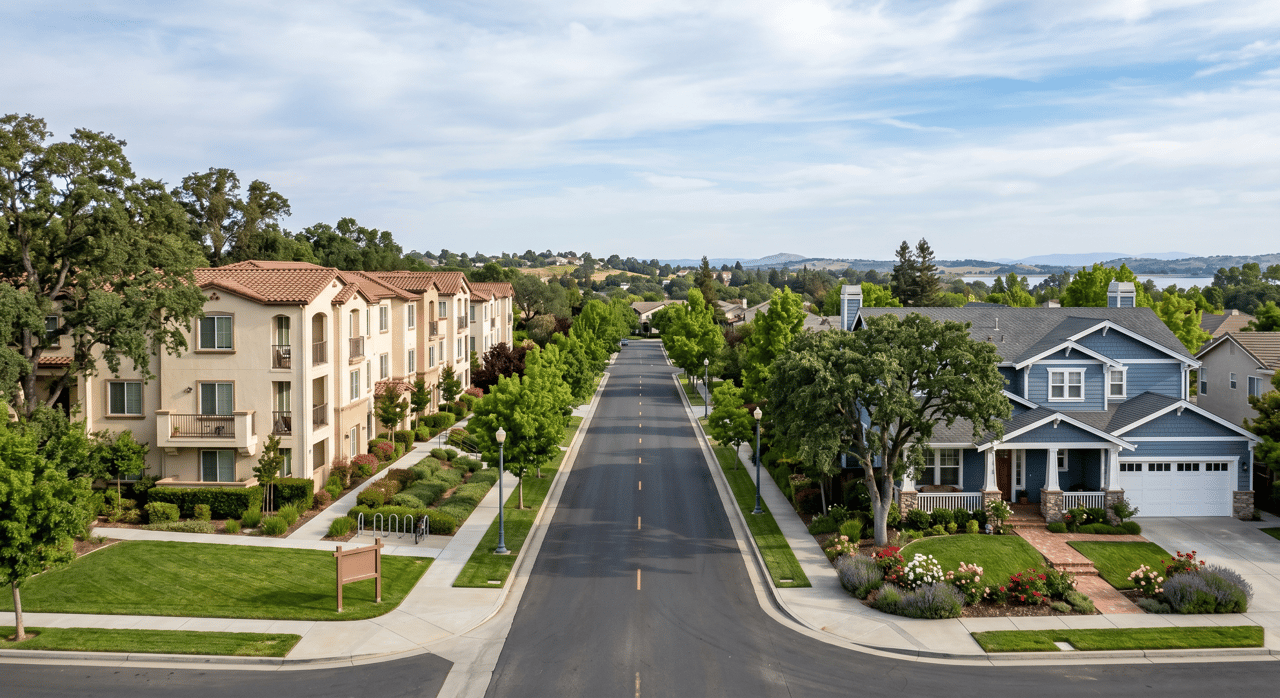
If you picture El Dorado Hills as mostly single-family neighborhoods, that is generally accurate. County project data shows a broad mix of communities including Serrano Village 7, Bass Lake Hills, Promontory, Saratoga Estates, Carson Creek Village 11, Carson Creek Village 3, La Canada, East Ridge Village, and Serrano Village M5. There is also a smaller multi-family component, including projects such as Vineyards at Valley View.
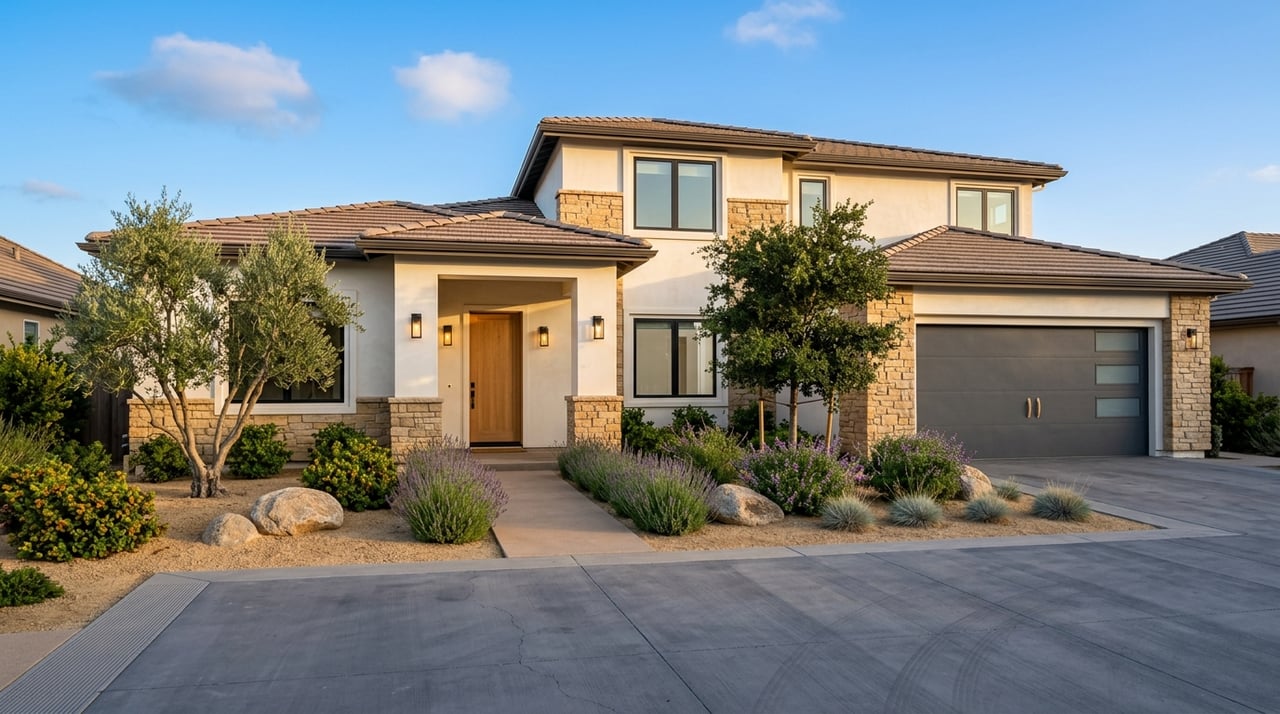
That mix helps explain why the community can appeal to different types of buyers. You will find many areas shaped by detached homes and neighborhood streets, along with some more compact or higher-density pockets. The result is variety, but with a clear suburban majority.
Promontory is a useful example of that range. County planning documents describe categories there that include hillside large-lot, large-lot, medium-lot, small-lot, attached single-family, and multi-family housing. The Village Center area is planned to support smaller-lot homes, attached housing, apartments, public parks, and open-space links between villages.
The Town Center East area in Village T is specifically described as urban infill residential. Because it sits near retail, office, and related services, biking and walking are considered practical there. So while much of El Dorado Hills reads as a drive-between-neighborhoods community, a few areas offer a more connected day-to-day pattern.
El Dorado Hills can be a strong fit if you want more home space, a foothills setting, and easy access to outdoor recreation while staying connected to the Sacramento region. It may also appeal to you if you are comfortable with a lifestyle that relies on planned commercial hubs and regional driving. Those patterns are part of what gives the community its rhythm.
It can also suit different life stages because the age profile is not one-note. Census data shows both younger households and older residents are well represented. That broader age mix can make the area feel less tied to a single season of life.
If you are deciding whether it matches your routine, the biggest questions are practical ones. How often do you commute? How important is trail or lake access? Do you want a neighborhood that feels tucked away, or do you want to be closer to one of the main shopping areas?
Everyday life in El Dorado Hills is best understood as suburban foothills living with a strong outdoor layer. You get a community that is largely residential, heavily owner-occupied, and spread across a wide area, with errands centered in a few commercial districts and recreation tied closely to the lake and trail network. For many buyers, that balance is exactly the draw.
If you are trying to figure out which part of El Dorado Hills best fits your lifestyle, having local guidance can make the search a lot easier. The right neighborhood for you may depend on commute patterns, housing style, access to Town Center, or proximity to trails and open space. If you want help comparing options and planning your move with confidence, connect with Sac Platinum Realty.
Stay up to date on the latest real estate trends.
Real Estate

Real Estate

Real Estate
Real Estate