Living in Rancho Cordova
Real Estate Mark Daya June 23, 2026
Real Estate Mark Daya June 23, 2026
Most real estate content about Rancho Cordova focuses on the numbers. Median price. Days on market. Proximity to Highway 50. School ratings.
Those numbers matter. But they do not tell you what it actually feels like to live here — what your summers look like, where your family ends up spending time, what the community does together, and why the people who move to Rancho Cordova tend to stay.
This blog is about the texture of life in Rancho Cordova. The things that do not show up in a listing description but that buyers consistently say they wish someone had told them before they moved.
Summers That Actually Feel Like Summers
Rancho Cordova summers are real Sacramento summers — hot, sunny, and long in a way that coastal California rarely delivers. For families who grew up with seasons, the warmth is not a liability. It is one of the things they love most about living here.
The American River Parkway — which runs along the northern edge of Rancho Cordova — is one of the most used outdoor spaces in the Sacramento region. In summer it becomes a destination in its own right: kayaking, rafting, cycling the Jedediah Smith Memorial Trail, swimming in the river, and picnicking along stretches that feel genuinely remote despite being minutes from residential neighborhoods.
The 4th of July in Rancho Cordova has its own character — neighborhood gatherings, local parks filled with families, and the kind of community celebrations that newer, more transient suburbs have not yet developed. Residents who have been here for years describe the holiday as one of the moments when the city's identity becomes most visible.
A City with Its Own Identity — Not Just a Sacramento Suburb
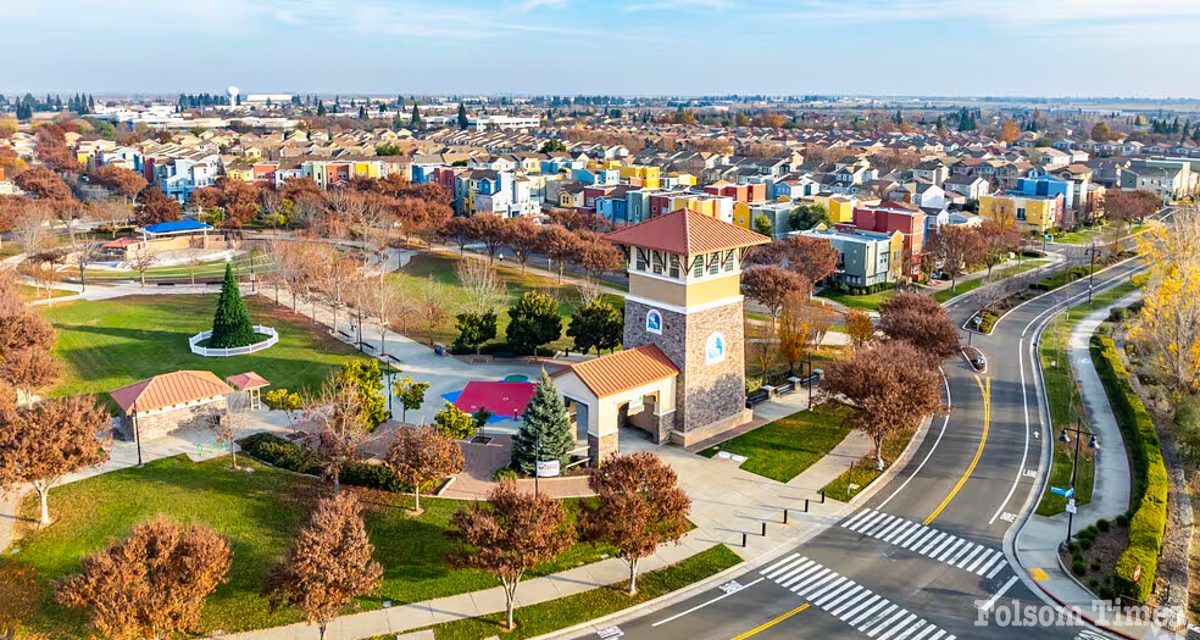
Rancho Cordova incorporated as its own city in 2003, and that municipal identity matters in ways that are easy to underestimate. The city controls its own planning, its own development priorities, its own parks and infrastructure investment decisions — and those decisions have shaped neighborhoods with a coherence that unincorporated suburban sprawl often lacks.
The Rancho Cordova City Council has consistently invested in community infrastructure: trail connections, park improvements, community programming, and economic development along the Folsom Boulevard corridor that is gradually reshaping what had been a car-dependent commercial strip into something more neighborhood-serving.
For buyers coming from cities with strong municipal identities, Rancho Cordova often surprises them with how much it feels like a community rather than a collection of subdivisions. That distinction — which is hard to convey in a listing description — is one of the things residents most consistently cite when asked why they chose to stay.
The Commute Reality
Rancho Cordova sits directly on the Highway 50 corridor, which provides access to downtown Sacramento to the west and the El Dorado Hills and Folsom employment centers to the east. For residents who work along this corridor, the commute profile is among the most manageable in the Sacramento region.
The Gold Line light rail also passes through Rancho Cordova, connecting it to downtown Sacramento and the broader regional transit network. For households that prefer to commute by rail — or that want the option of leaving the car at home — this is a genuine quality-of-life advantage over communities that are exclusively car-dependent.
For remote and hybrid workers — who represent a growing share of the Rancho Cordova buyer pool — the commute question becomes about occasional trips rather than daily ones, which makes the city's access to both urban and outdoor amenities even more relevant to daily life.
What Buyers Say After They Move Here
The feedback we hear most consistently from buyers after they have settled into Rancho Cordova is some version of the same thing: 'I did not expect to love it this much.'
They expected a practical choice — good price point, decent schools, reasonable commute. What they found was a community with more character, more outdoor access, and more of the things that make a place feel like home than they anticipated.
That gap between expectation and experience is, in our view, one of the best arguments for Rancho Cordova that exists. The city consistently outperforms what the numbers suggest it should be — and the people who live here know it.
If you are considering Rancho Cordova and want to understand what you would actually be walking into, we would love to show you around. Not just listings — the city.
Stay up to date on the latest real estate trends.
Real Estate
Real Estate
Real Estate
Real Estate