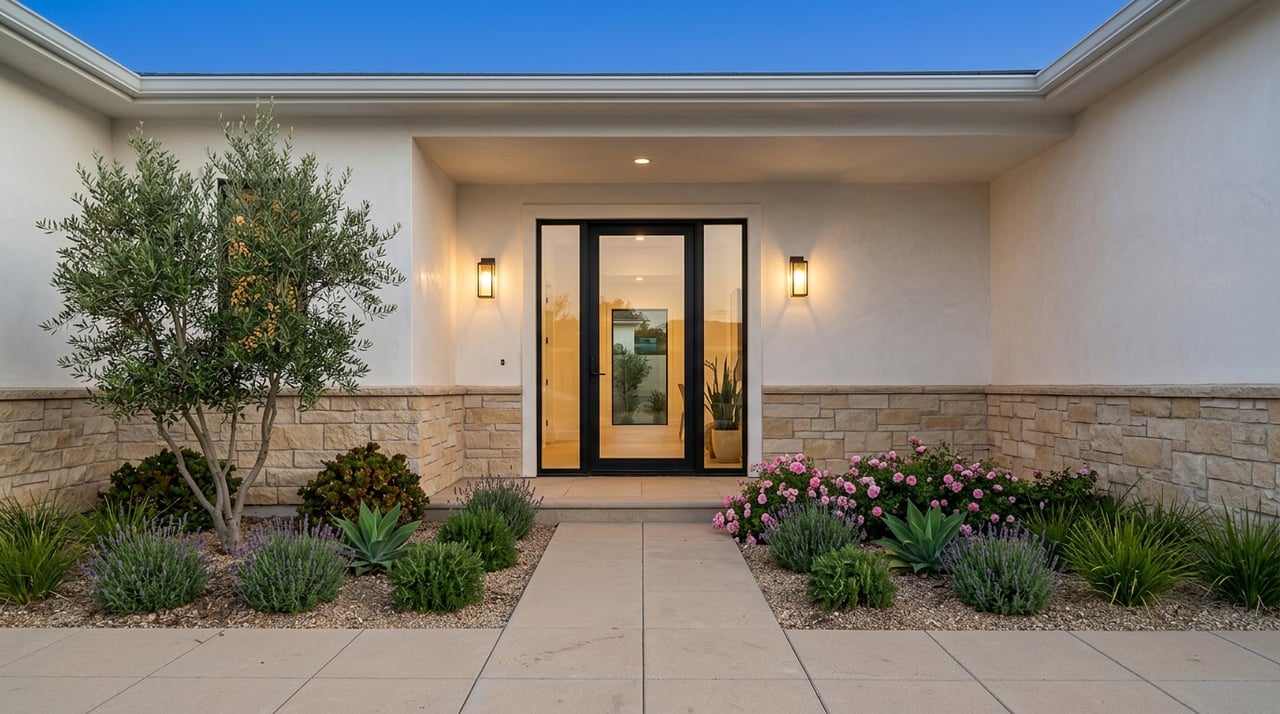
What Everyday Life Feels Like In Fair Oaks Village
June 18, 2026
June 18, 2026
Ever wonder why some places feel instantly familiar, even on your first visit? Fair Oaks Village has that effect. If you are trying to picture what day-to-day life looks like here, this guide will help you understand the pace, setting, and routines that shape the area. Let’s dive in.
Fair Oaks Village stands out because it feels like a small town within the larger Fair Oaks community. Sacramento County describes Fair Oaks as a well-established community of nearly 31,000 residents, while the Village serves as a historic town center with winding roads, rolling hills, an open-air amphitheatre, and a plaza lined with older buildings, galleries, and shops.
That setting shapes how everyday life feels. Instead of a typical suburban commercial strip, the Village comes across as neighborhood-oriented and village-scale. The area is also defined by mature trees, low density, and a semi-rural character that gives it a different rhythm from many other parts of Greater Sacramento.
One of the first things many people notice is the street pattern. Sacramento County’s neighborhood preservation standards describe narrow streets, very few curbs or sidewalks, limited streetlights, and roadways often used for walking.
That does not create an urban, grid-style walkability experience. It creates a slower, more informal one. In Fair Oaks Village, walking often feels tied to the neighborhood itself, with short trips between local destinations and a setting that feels more shaded, established, and personal.
If you are wondering whether Fair Oaks Village is walkable, the answer is yes, but in its own way. You can move between coffee spots, restaurants, shops, and community gathering places without the feel of a dense downtown.
That matters if you value simple routines. A quick stroll for coffee, an easy stop at a local shop, or a short walk to an event can feel like part of daily life rather than a special occasion.
A big part of everyday life in Fair Oaks Village centers on local businesses. The Village merchant mix includes places like BadFish Coffee & Tea, Fair Oaks Coffee House & Deli, O Cafe Bakery Bistro, Fair Oaks Brew Pub, Brahma Bar & Grill, Sunflower Drive-In, Bodega Biondi, Alaro Craft Brewery, and other small businesses.
That mix makes daily routines feel less anonymous. Instead of heading straight to a large retail center, you may find yourself grabbing coffee from a neighborhood café, meeting someone for lunch, or stopping into a locally owned shop while you are already in the Village.
The Village shopping mix also includes antiques, bikes, clothing, jewelry, and running shoes. That variety helps the area function as more than just a place to eat. It supports a pattern of casual browsing, short errands, and repeat visits to familiar businesses.
FOVEC, a local nonprofit focused on Village improvements, also highlights collaboration between merchants, property owners, and community groups. That helps explain why the area often feels connected and community-minded rather than purely commercial.
In Fair Oaks Village, weekends are not only about where you go. They are also about what is happening. The Fair Oaks Chamber of Commerce runs Concerts in the Park at Village Park, a summer tradition built around lawn chairs, picnic setups, and takeout from local merchants.
The Chamber’s event lineup also includes Taste of Fair Oaks, Christmas in Fair Oaks, a senior resource fair, and other community gatherings throughout the year. These events help create a steady rhythm that gives the Village an active, lived-in feel.
The Fair Oaks Recreation & Park District says the Village Park project includes improvements to Village Park, the Community Clubhouse, and the Veterans Memorial Amphitheatre. The district also notes added parking, pedestrian circulation, and ADA access, along with a centrally located Performing Arts Center next to Village Park.
That means the Village has real community infrastructure behind its event scene. It is not just a collection of shops. It is also a place built for gathering, performances, and recurring local traditions.
Everyday life here also includes a year-round Tuesday farmers market. The California Department of Public Health’s authorized market list shows a Fair Oaks farmers market operating every Tuesday from 9:00 a.m. to 2:00 p.m. at 11549 Fair Oaks Blvd.
For many people, that kind of regular event adds something meaningful to a neighborhood. It creates a dependable weekly touchpoint and adds to the sense that the Village is active beyond weekends and special occasions.
Fair Oaks Village is also known for its chickens, and that detail is more than local branding. The Fair Oaks Recreation & Park District says the Fair Oaks Chicken Festival celebrates the area’s rural history and present village atmosphere, and it specifically notes that village chickens are part of everyday life.
That small detail says a lot about the personality of the place. Fair Oaks Village does not feel polished in a generic way. It feels a little quirky, locally rooted, and comfortable with its own traditions.
Another major part of life in Fair Oaks is access to open space. Sacramento County describes the American River Parkway as an approximately 29-mile greenbelt, and the county notes that much of the Fair Oaks community has direct access to it.
For people who want an easy outdoor routine, that is a real advantage. A walk, run, or bike ride can be part of an ordinary day, not something you have to plan far in advance.
Ancil Hoffman Park is another important local asset, reached via Fair Oaks Boulevard. The park offers trails, the Effie Yeaw Nature Center, golf, picnic areas, and year-round access from sunrise to sunset.
This helps explain why Fair Oaks often appeals to people who want both neighborhood character and outdoor convenience. You can spend time in nature and still be close to the Village for a meal, coffee, or errands afterward.
The feel of Fair Oaks Village is not only about businesses and events. Housing character plays a big role too. Sacramento County describes the broader Village area as having an eclectic mix of home styles, sizes, ages, and values.
That variety gives the neighborhood visual interest and a more established feel. It also sets the area apart from neighborhoods where homes were built in a narrower time frame and look more uniform from street to street.
The Fair Oaks Historical Society says the area was first developed in 1895 as a Sunset Colony and that the original settlement included notable historic homes. The society also offers a walking-tour map of historic buildings in the Village area and notes that Fair Oaks has two National Register listings: the old Fair Oaks Bridge and the Slocum House.
The Slocum House, built in 1925 on California Avenue, is described in its nomination as Colonial Bungalow, with much of the home reflecting California bungalow design. Details like that reinforce the sense that the Village has real historic texture, not just a themed main street.
So what does everyday life actually feel like in Fair Oaks Village? For many people, it is a mix of quiet residential streets, familiar local stops, community events, and easy outdoor access.
A typical day might include coffee in the Village, a walk through the neighborhood, and dinner at a local pub later on. A typical weekend might mean the farmers market, time near the Parkway, or an evening concert at the park.
That combination is what gives Fair Oaks Village its appeal. It feels connected, established, and local in a way that is hard to replicate.
If you are exploring Fair Oaks because you want a neighborhood with personality, routines you can actually enjoy, and a setting that feels more human-scale, this area is worth a closer look. And if you want help understanding how Fair Oaks compares to nearby Sacramento-area neighborhoods, Sac Platinum Realty is here to help.
Stay up to date on the latest real estate trends.

Real Estate

Real Estate

Real Estate
Real Estate

Real Estate